Ceiling Mold Removal in Bergen County, NJ
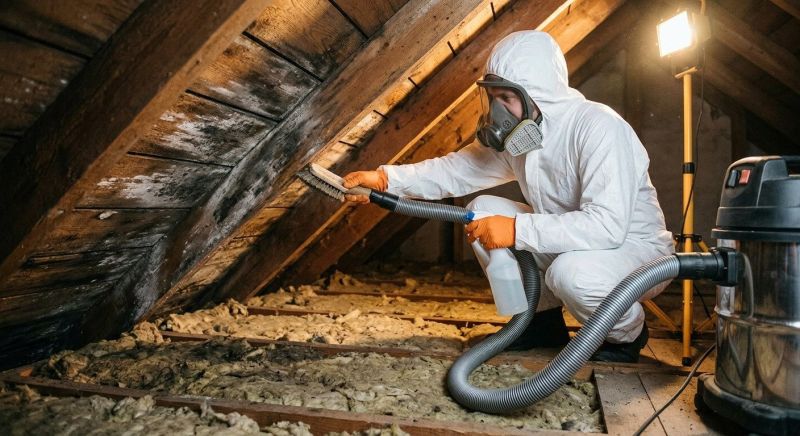
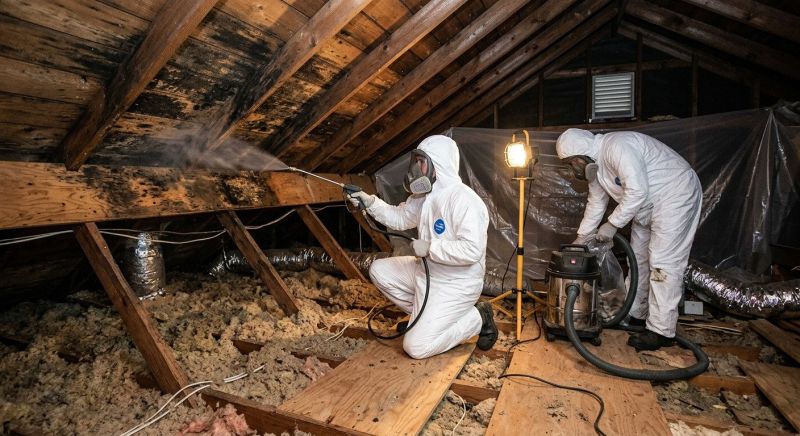
Ceiling mold removal services focus on identifying and eliminating mold growth that appears on or within ceiling surfaces. These projects typically involve inspecting affected areas, safely removing mold colonies, and cleaning or treating the ceiling to prevent future growth. Homeowners often seek this service when noticing visible mold, musty odors, or signs of water damage that can lead to mold development, especially in areas with high humidity or leaks.
Before requesting ceiling mold removal, property owners usually want to understand the extent of the mold problem, the types of cleaning methods used, and any necessary repairs to address underlying moisture issues. It is important to consider whether the mold is surface-level or has penetrated deeper into the ceiling material, as this can influence the scope of work needed. Proper assessment and removal help ensure a healthier indoor environment and reduce the risk of mold returning.
Many property owners in Bergen County, NJ look into Ceiling Mold Removal for repairs, replacements, upgrades, and appearance-related improvements.
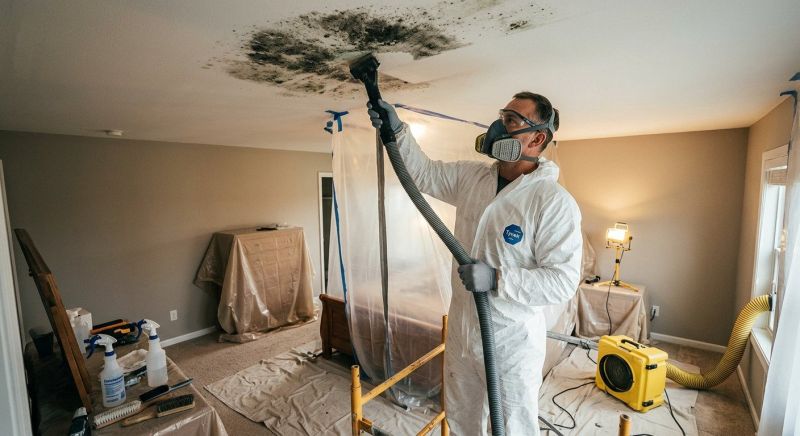
Signs Of Ceiling Mold
Discoloration, musty odors, and peeling paint can indicate mold growth on ceilings.
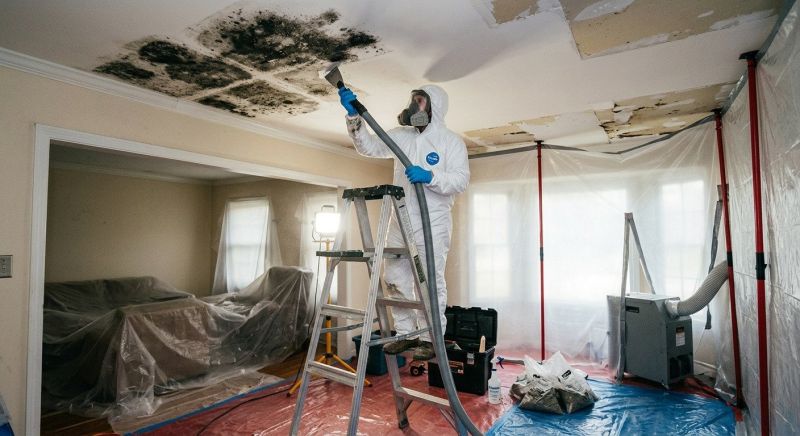
Health And Safety Concerns
Removing ceiling mold helps protect residents from allergies and respiratory issues.
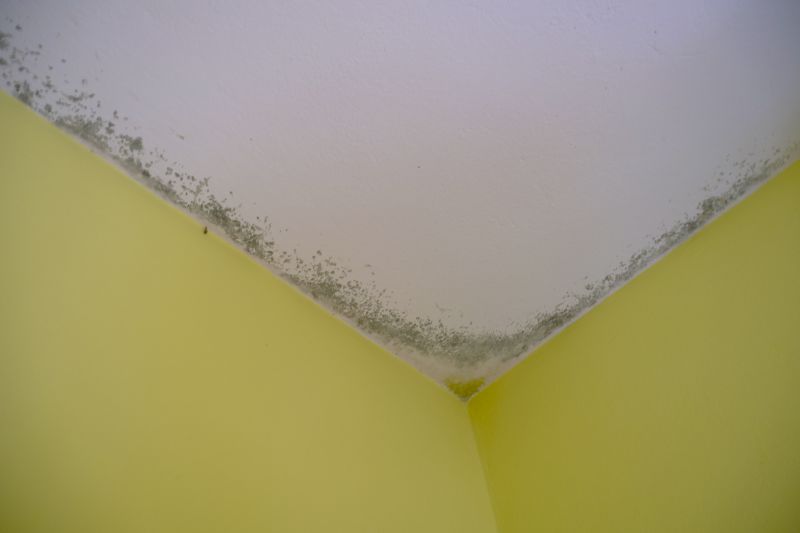
Common Causes Of Ceiling Mold
Leaking roofs, high humidity, and plumbing leaks are frequent sources of ceiling mold in bergen county homes.
Ceiling Mold Removal in Bergen County, NJ
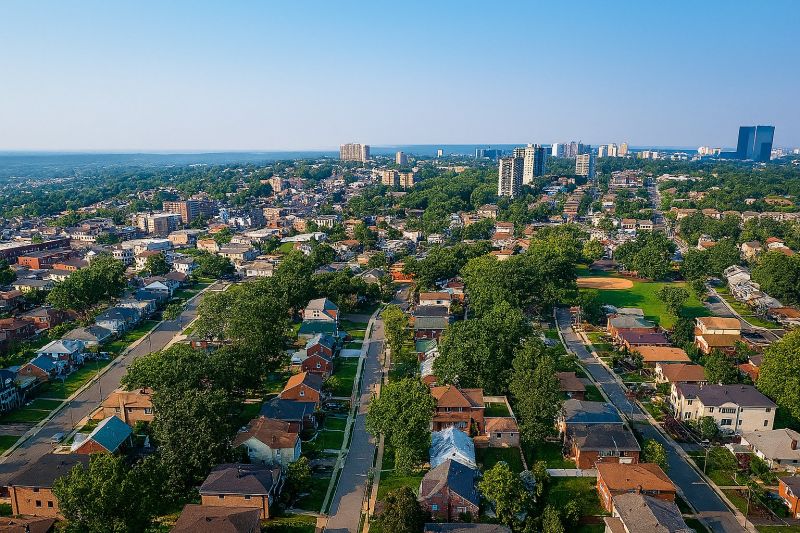
Ceiling mold removal services focus on identifying and eliminating mold growth that appears on or within ceiling surfaces. These projects typically involve inspecting affected areas, safely removing mold colonies, and cleaning or treating the ceiling to prevent future growth. Homeowners often seek this service when noticing visible mold, musty odors, or signs of water damage that can lead to mold development, especially in areas with high humidity or leaks.
Before requesting ceiling mold removal, property owners usually want to understand the extent of the mold problem, the types of cleaning methods used, and any necessary repairs to address underlying moisture issues. It is important to consider whether the mold is surface-level or has penetrated deeper into the ceiling material, as this can influence the scope of work needed. Proper assessment and removal help ensure a healthier indoor environment and reduce the risk of mold returning.
Many property owners in Bergen County, NJ look into Ceiling Mold Removal for repairs, replacements, upgrades, and appearance-related improvements.
Common Ceiling Mold Removal Jobs
Ceiling mold removal - eliminates mold growth caused by excess moisture or leaks.
Mold remediation - addresses mold issues on ceiling surfaces to improve indoor air quality.
Water damage cleanup - removes mold resulting from roof leaks or plumbing failures.
Mold prevention - applies treatments to inhibit future mold growth on ceilings.
Surface cleaning - safely removes mold stains and residues from ceiling finishes.
Structural inspection - assesses ceiling conditions to identify underlying causes of mold development.
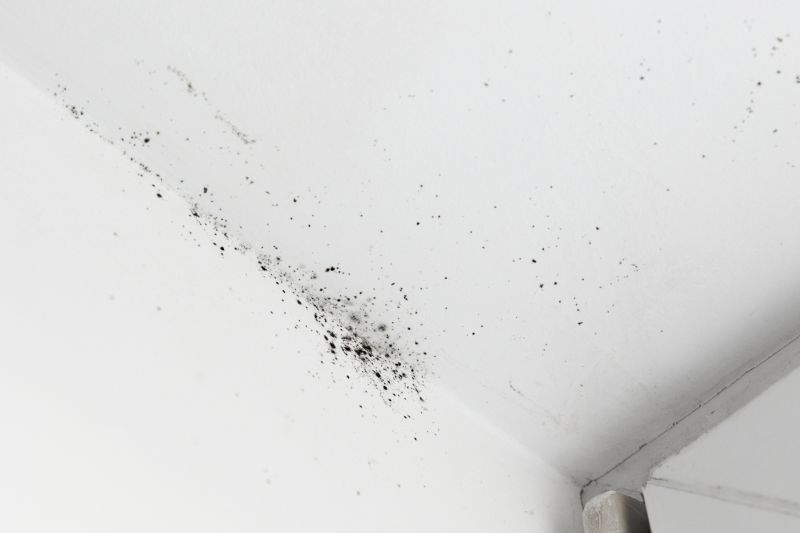
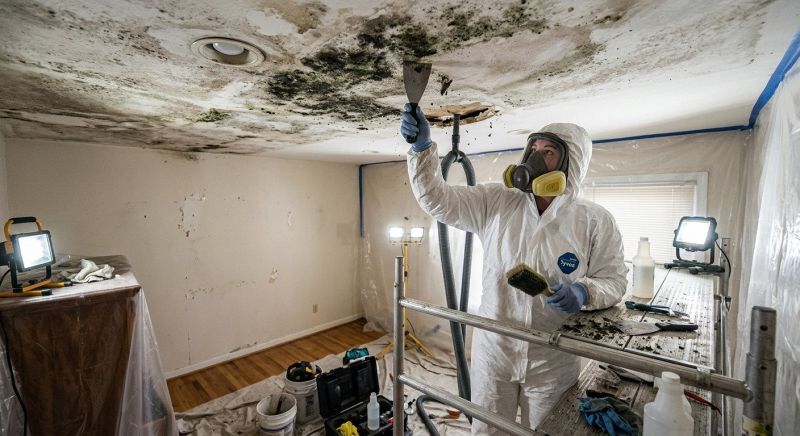
Ceiling Mold Removal Questions
What causes ceiling mold growth? Ceiling mold often results from excess moisture, high humidity, or water leaks that create a damp environment conducive to mold development.
How can mold be safely removed from ceilings? Mold removal involves cleaning affected areas with appropriate solutions and addressing underlying moisture issues to prevent recurrence.
Which types of ceiling surfaces are suitable for mold removal? Mold removal can be performed on various ceiling surfaces, including drywall, plaster, and drop ceilings, depending on the extent of the growth.
What signs indicate the need for mold removal services? Visible mold patches, musty odors, or water damage signs on the ceiling suggest that professional mold removal may be necessary.
Request Ceiling Mold Removal in Bergen County, NJ
Use the quote form on this page to share the basics of your project and request more information for the type of work you need.